Plug-in Hybrid EV

The plug-in hybrid brings together the efficiency of electric driving with the flexibility of a petrol engine, giving you the best of both worlds without the range anxiety. Regenerative braking, electric-only driving modes, and smart energy management mean you can cover more ground on less fuel, whether you're commuting through the city or heading out on a longer trip.

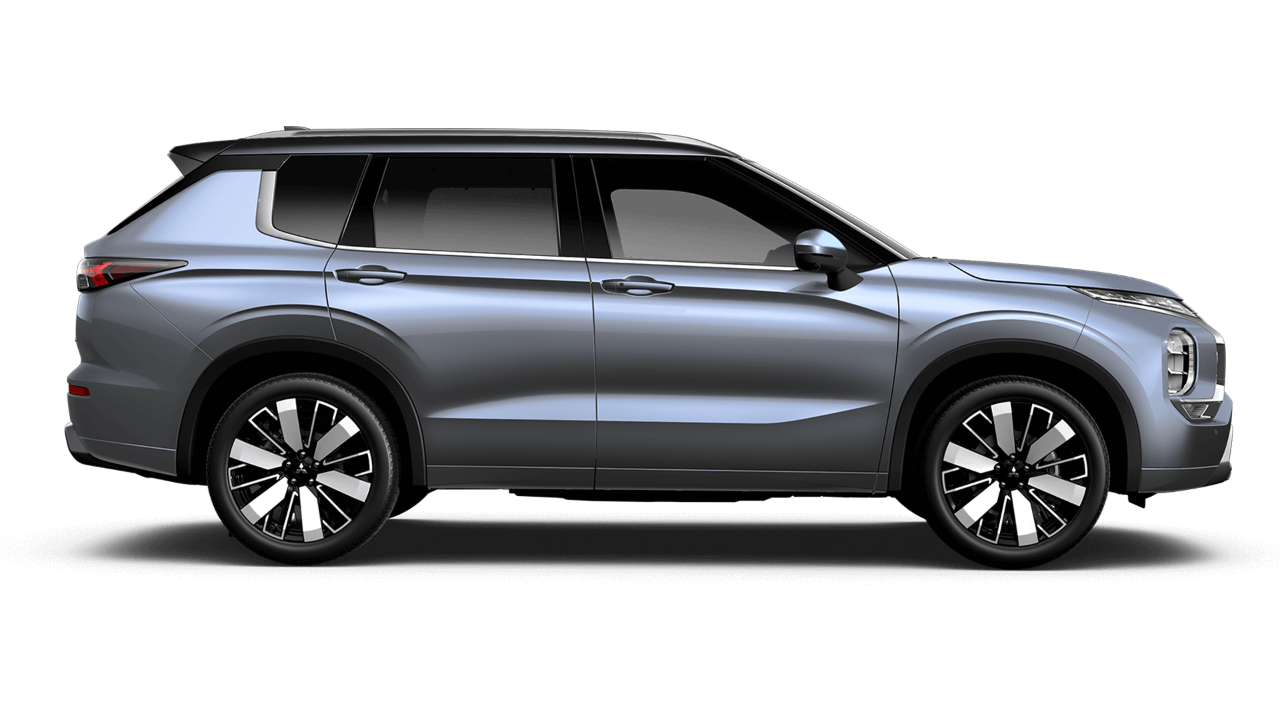
The Outlander PHEV and Eclipse Cross PHEV each bring their own character to the segment. The Outlander delivers impressive electric-only range alongside genuine space and 4WD capability, making it a strong choice for families who want a capable SUV with lower running costs. The Eclipse Cross PHEV pairs a stylish, dynamic profile with smart hybrid technology, offering a connected and efficient drive for those who want a more compact option.

Both are built for drivers who want to reduce their environmental footprint without giving up the space, safety, or performance they'd expect from a modern SUV.

Outlander Plug-in Hybrid EV

Family friendly
AWD
Smart Interior

Cargo Volume
up to  1,473L


Vehicle length
4,720mm

Fuel Efficiency
1.2L/100km

Capacity
up to  7seats


Eclipse Cross Plug-in Hybrid EV

Efficient
AWD
Dynamic Design

Cargo Volume
up to  626L


Vehicle length
4,545mm

Fuel Efficiency
1.9L/100km

Capacity
5seats

Experience Mitsubishi Plug-in Hybrid EV

Mitsubishi 10/10/10

All Mitsubishi Plug-in Hybrid EVs come with a 10 Year Warranty⋄1 with 10 Years Capped Price Servicing⋄2, plus 10 Years Roadside Assistance⋄3

Frequently Asked Questions

There are two PHEV models to choose from: the Outlander Plug-in Hybrid EV and the Eclipse Cross Plug-in Hybrid EV. Built with Mitsubishi’s Plug-in Hybrid Technology, the Outlander PHEV seats seven, has a good electric-only range, AWD on most grades, and a solid safety package. The Eclipse Cross PHEV is smaller and has more of a sporty coupe-SUV look, but it runs the same plug-in hybrid setup and works well for urban and suburban driving. Both models use an electric motor backed by a petrol engine, so you get real-world range flexibility regardless of where you are driving. 

The Outlander PHEV has an electric-only range of up to 84km under NEDC testing. In practice, that is plenty to cover the average Australian daily commute, which sits around 30-40km, without touching the petrol. The battery charges overnight on a standard 240V household outlet, so you will typically start each morning with a full electric range. When the battery runs low, the petrol engine kicks in automatically and keeps you moving without any interruption.

A plug-in hybrid vehicle (PHEV) has two power sources: a rechargeable battery that drives an electric motor, and a conventional petrol engine. For shorter everyday trips, you can drive on electric power alone, which costs less per kilometre than petrol and produces no direct tailpipe emissions. When the battery runs low, or when you need extra grunt for overtaking or highway driving, the petrol engine takes over automatically. PHEVs also use regenerative braking, which captures energy each time you slow down and feeds it back into the battery. Unlike a regular hybrid, you can plug a PHEV in to recharge the battery from an external power source.

Charge time varies depending on which power source you use. On a standard 240V household power point, a full charge takes around 8-10 hours. Most people plug in overnight and wake up with a full battery, which works well for daily commuting. A dedicated home wall charger cuts that down to roughly 3-5 hours. Public AC chargers run at a similar speed to wall chargers, while DC fast chargers can add a useful amount of charge in less time. For regular commuters, overnight home charging handles everything.

Government incentives for plug-in hybrid vehicles vary by state and territory, and the criteria can change. Several Australian states offer benefits for low-emission vehicles, such as stamp duty exemptions, registration concessions, and purchase rebates, though not all of these apply to PHEVs in every state. Check with your state or territory government's transport or environment department for current details, or ask your local dealer, who should be across what is available at the time of purchase.

PHEVs do use petrol, but for many drivers it is not much. If your daily driving is short, you can cover most of it on electric power and use very little fuel across the week, which means you’ll see real savings on your fuel costs compared to a conventional petrol car. For longer trips or when the battery runs low, the petrol engine takes over and gives you full driving range. You can refuel at any petrol station as you normally would. That is a real advantage over a fully electric vehicle, especially for drivers who regularly travel to regional areas where charging infrastructure is limited.

PHEVs are perfect for long journeys. When the battery runs out, the petrol engine takes over automatically, and there is no noticeable interruption to the drive. You can refuel at any service station along the way, just like a regular car. There is no need to plan your route around charging stations, which is a genuine advantage on long regional drives or interstate trips.

PHEV models include both the standard connected tech and additional features specific to the hybrid system. Most grades come with a digital driver information display, Apple CarPlay and Android Auto, and a dedicated EV drive interface showing real-time power flow between the battery, electric motor, and petrol engine. Higher grades add a larger touchscreen, premium audio, and a multi-view camera system. The EV drive modes, which include series EV, parallel, and battery save, let you manage how the system uses electric and petrol power for different driving situations.

Mitsubishi’s PHEV models carry the same 10-year/200,000km vehicle warranty as the rest of the range, provided you service at an authorised Mitsubishi dealership. The high-voltage drive battery is also covered separately, with its own 8-year/160,000km warranty. On top of that, capped-price servicing runs for 10 years, so you know what each service will cost before you book it in.

Disclaimers

⋄1

Up to 10 years from the date of first registration or 200,000km (whichever comes first) New Vehicle Warranty when all scheduled services are completed within the specified service intervals at a Mitsubishi Dealership. Otherwise, 5 years or 100,000km (whichever comes first) New Vehicle Warranty applies. Eligibility conditions and exclusions apply, full terms and conditions can be found here: https://www.mitsubishi-motors.com.au/owners/diamond-advantage/warranty.html

⋄2

10 year or 150,000km (whichever occurs first) Capped Price Servicing, comprised of the first 10 scheduled services (at 15,000km/12 month scheduled intervals). Any non-scheduled service/repair items are at an additional cost. Eligibility conditions and exclusions apply, full terms and conditions can be found here: https://www.mitsubishi-motors.com.au/owners/service/capped-price-servicing.html

⋄3

Up to 10 years Roadside Assistance, comprised of an initial 12-month period extended for further periods of 12 months upon completion of each eligible Capped Price Service (up to a maximum of 10 annual Roadside Assistance periods in total).  Eligibility conditions and exclusions apply, full terms and conditions can be found here: https://www.mitsubishi-motors.com.au/owners/diamond-advantage/roadside-assist.html  

O1

Based on sample vehicle tested in accordance with ADR 81/02. Actual results will vary depending on traffic conditions, vehicle condition and driving style. Lithium-ion cells degrade over time, and any decrease in battery capacity will reduce electric range.